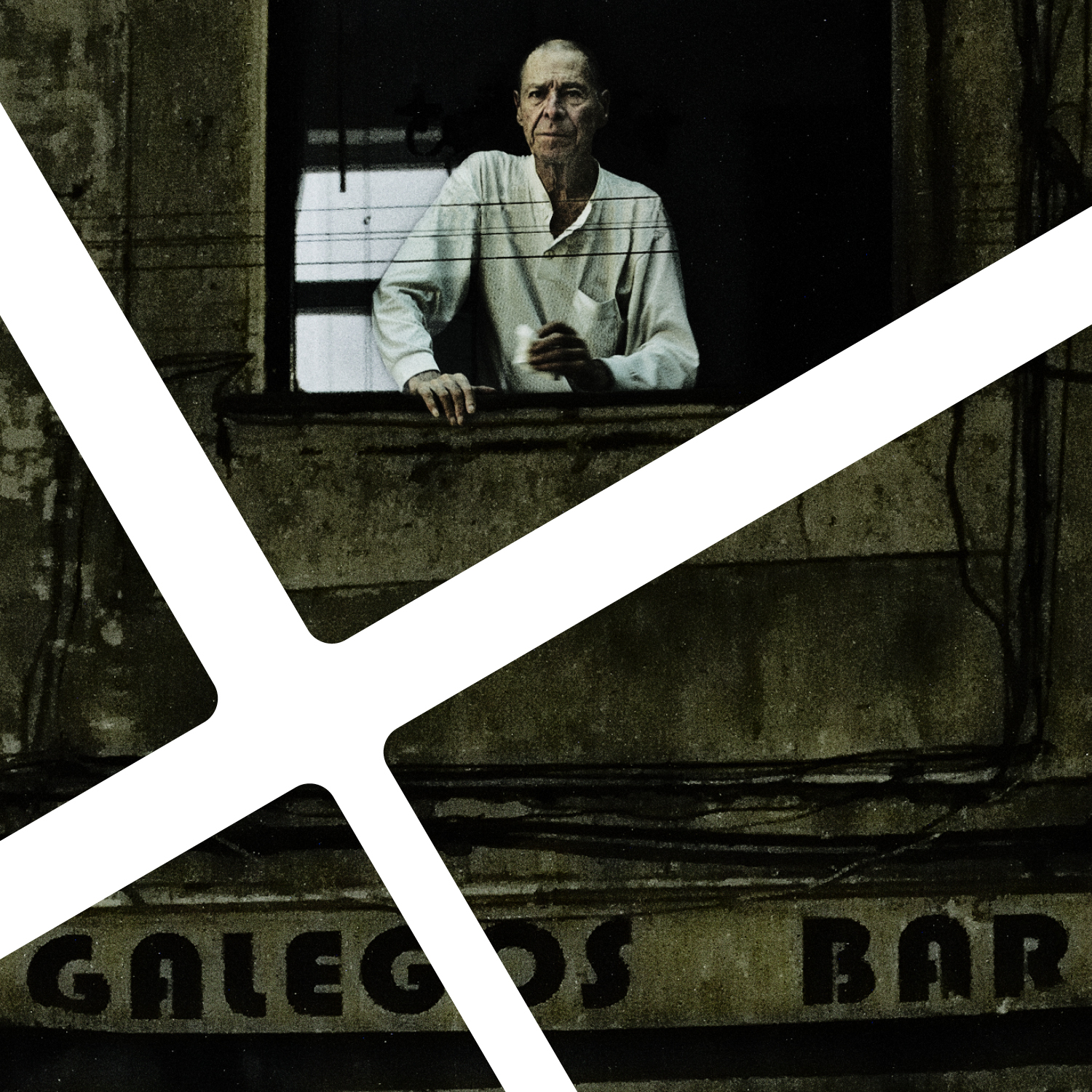
[vc_row content_text_aligment="" use_row_as_full_screen_section="no"][vc_column][vc_custom_heading text="Jaroslava KURANDOVÁ & Zdeněk RYBKA " use_theme_fonts="yes"][vc_custom_heading text="14. 2. – 17. 5. 2026 " font_container="tag:h3|text_align:left" use_theme_fonts="yes"][vc_column_text] Museum Kampa presents the work of a pair of artists bound together by fate—the married couple Zdeněk Rybka (1938) and Jaroslava Kurandová (1936–2024). They met in secondary school, studied at the Academy of Fine Arts in Prague, married, divorced and then married again. Very similar, in fact, to Richard Burton and Elizabeth Taylor.             During the 1960s, they replaced academic figurative painting and its austere, subdued tones with geometric rigour and a broad colour spectrum. They became members of the Klub konkretistů (Club of Concretists), exhibiting with the group at numerous venues at home and abroad. Using smooth nitro‑lacquered hardboard and plexiglass, Jaroslava Kurandová carried her work into three‑dimensional space. Zdeněk Rybka experimented with electrography. With this technique, photographic impressions of objects on a photosensitive surface are, once developed, surrounded by a glowing halo or corona. The electric discharge lends the electrographs an almost mystical dimension. Several surprising objects were also created, many of them designed to be hung.             After the August 1968 invasion, both artists withdrew from Prague, stepped back from their own creative work and devoted their energies to teaching at art schools. They did not return to their artistic work until the late 1980s. Zdeněk Rybka introduced a new direction he called Vântîl, attracting several followers. It incorporated a measure of absurdity and a knowingly irreverent tone. Jaroslava Kurandová pressed slender metal or plexiglass strips onto canvas in parallel rows. These conveyed a sense of movement and energy. Her work always bore a sense of civic engagement, whether political or environmental. Rybka returned to expressive figurative painting, though his work remained grounded in a geometric framework.             The exhibition restores to the narrative of art history two creators whose lives were profoundly shaped by historical events. If
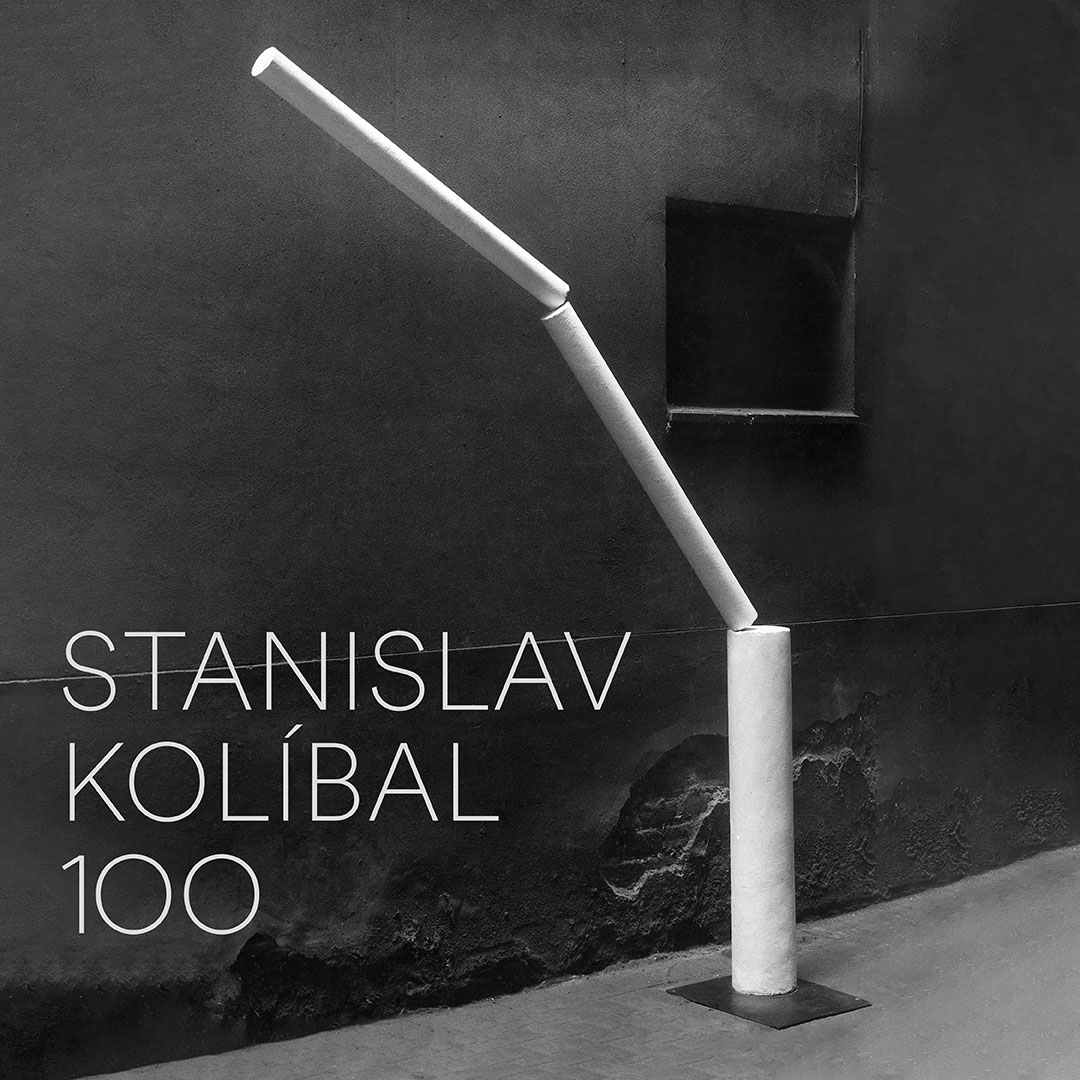
[vc_row content_text_aligment="" use_row_as_full_screen_section="no"][vc_column][vc_column_text] Permanent exhibition [/vc_column_text][/vc_column][/vc_row][vc_row content_text_aligment="" use_row_as_full_screen_section="no"][vc_column][vc_custom_heading text="Stanislav Kolíbal 100" use_theme_fonts="yes"][/vc_column][/vc_row][vc_row content_text_aligment="" use_row_as_full_screen_section="no"][vc_column][vc_column_text]Stanislav Kolíbal (* 1925) is one of the most significant figures of Czech post-war art. In the context of world art, one can find parallels in his work to American minimalism and Italian arte povera, but his work grows from different roots and develops in the spirit of its own internal logic. Kolíbal, as demonstrated by his book illustrations and early works, is a sovereign draughtsman and model maker, but since the 1960s, questions of geometry and space have been central to his drawings and sculptures. The core of his work, however, is not form in itself but the tension between order and chance, duration and transience, being and emptiness.   Meda Mládek, the founder of Museum Kampa, has followed and collected Kolíbal's work since her first visits to socialist Czechoslovakia in the late 1960s. She purchased the artist's works through the state-run Art Center as well as the New York based gallery OK Harris, where Kolíbal had four individual exhibitions during the 1980s. Not all of the works that she acquired over the years became part of Museum Kampa, but it is nonetheless a fairly large and representative collection, with a focus on drawings and sculptures from the 1970s.   The Stanislav Kolíbal 100 exhibition is a reminder of the artist's upcoming 100th birthday, which he will celebrate in December. The exhibition is planned to run until at least February of next year and its composition will be renewed during its run in order to present Kolíbal's works as widely as possible. The connection with the permanent exhibition of paintings by František Kupka is quite deliberate, although the link between Kupka's abstractions and Kolíbal's works is not direct. Stanislav Kolíbal, like Kupka, is one of the true world artists of Czech origin. [/vc_column_text][/vc_column][/vc_row]

[vc_row content_text_aligment="" use_row_as_full_screen_section="no"][vc_column][vc_custom_heading text="Pavel Rudolf" use_theme_fonts="yes"][vc_custom_heading text="24. 1. - 22. 3. 2026" font_container="tag:h3|text_align:left" use_theme_fonts="yes"][/vc_column][/vc_row][vc_row content_text_aligment="" use_row_as_full_screen_section="no"][vc_column][vc_column_text]Pavel Rudolf (born 1943 in Brno) is one of the most significant representatives of conceptual abstract art. His natural sense of connecting rational thinking and intuition soon resulted in a specific artistic opinion based on "‘the purity of the initial concept and a focus on the viewer’s mind and intellect’, as the art theorist Jiří Valoch aptly assessed. The exhibition at the Kampa Museum showcases a selection of Rudolf’s work from the 1960s to the present day, with a particular focus on his paintings. In his earliest paintings, he straddles the boundary between figurative art and abstraction by drawing on remnants of human figures and transforming them into concise artistic compositions. These paintings were precursors to compositions approaching totemic symbols, built on a language of stylised zoomorphic, anthropomorphic or biomorphic forms (Bez názvu [Untitled], 1966). During the 1970s and 1980s, Rudolf created paintings on paper, combining rational elements such as transformation, determination, spatial progression and projection with emotionally charged, expressive painting. These works address the processes of decay and explosion, or conversely, intergrowth and extension. Examples include the medium-sized paintings on cardboard from the late 1970s, such as Podivná geneze (Strange Genesis, 1978) and Moře – Planeta (Sea – Planet, 1978), as well as the large-format paintings on paper or canvas blinds from the second half of the 1980s. An important formal counterbalance to these expressive pieces is the series of works on paper Bez názvu I–VIII (Untitled I–VIII, 1988), in which the artist repeated and arranged stripped-down geometric shapes to create radical rhythmic structures.  Since 1998, Pavel Rudolf has worked continuously in the medium of classical acrylic-on-canvas painting. In these neo-constructivist paintings, he builds on his earlier interest in transforming geometric shapes by moving points along set

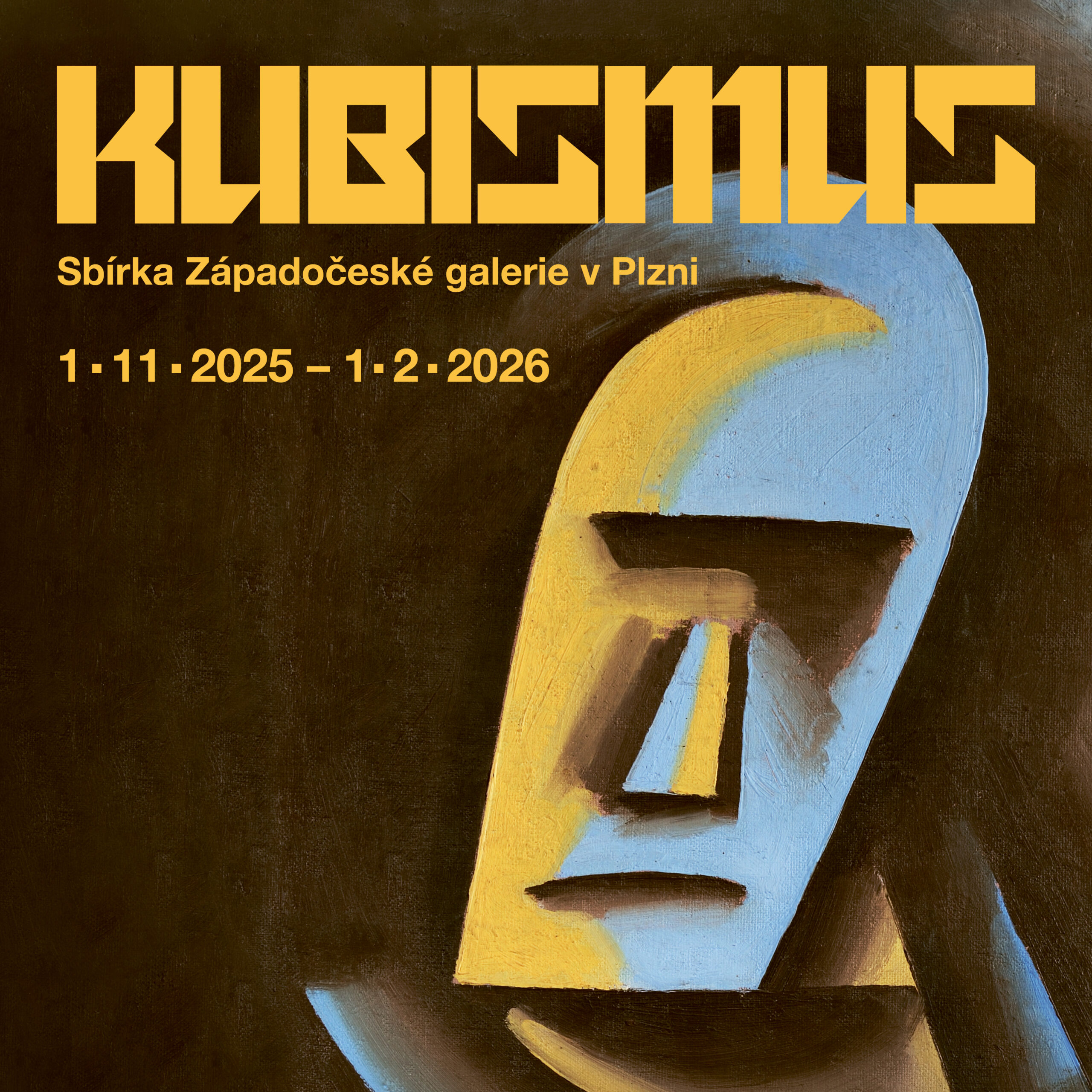
[vc_row content_text_aligment="" use_row_as_full_screen_section="no"][vc_column][vc_custom_heading text="Cubist Collection in the Gallery of West Bohemia in Pilsen" use_theme_fonts="yes"][vc_custom_heading text="1. 11. 2025 - 1. 2. 2026" font_container="tag:h3|text_align:left" use_theme_fonts="yes"][vc_column_text]The exhibition showcases one of the most impressive collections of Czech Cubism, curated by the Gallery of West Bohemia in Pilsen, which was established in 1953. The systematic development of the collection began in the early 1960s under the Gallery’s first director, Oldřich Kuba, who was in office from 1954 to 1985. His vision as a collector and his determination fundamentally shaped the character of the entire institution.  Kuba’s efforts were fostered by two exhibitions that contributed significantly to the revival of interest in the Czech avant-garde in Czechoslovakia: Zakladatelé moderního českého umění (Founders of Modern Czech Art), organised in Brno in 1957 and repated in Prague in 1958; and the monographic exhibition of Bohumil Kubišta’s œuvre (Prague, 1960; repeated in Brno, 1960–1961). These projects stimulated the public rehabilitation of modern art, which had been suppressed during the Nazi and Communist totalitarian regimes. They also inspired Oldřich Kuba to develop a new acquisition strategy focused on works by Czech Cubist artists and the Czech avant-garde as such. He began to purchase these works systematically for the Pilsen collection. Oldřich Kuba was particularly fascinated by Kubišta’s work. This affinity resulted in a meticulously organised and very active acquisition campaign, which he called ‘Operation Kubišta’. Kuba approached private collectors who had loaned works by Kubišta to his monographic exhibition, gradually acquiring key pieces by this seminal Czech Cubist artist. These collectors included Olga Scheinpflugová, an actress at the National Theatre and the widow of Karel Čapek; Jarmila, the widow of the painter Josef Čapek; the writer and playwright František Langer; the painter František Muzika; the publisher Rudolf Škeřík; Bohumil Kubišta’s cousin, František; and the painter Jan Zrzavý. Subsequently, Kuba built up a representative

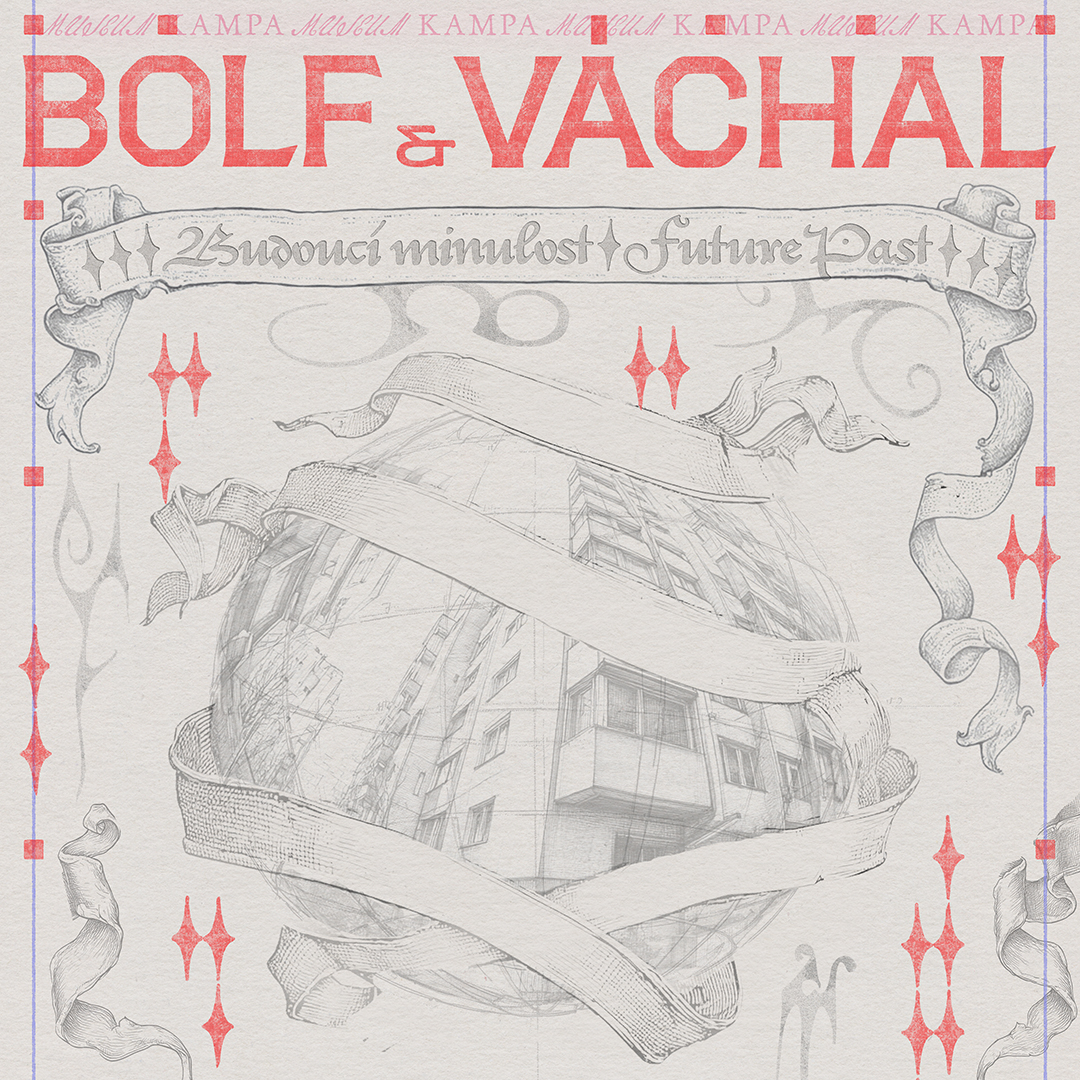
[vc_row content_text_aligment="" use_row_as_full_screen_section="no"][vc_column][vc_custom_heading text="1. 11. 2025–1. 2. 2026" font_container="tag:h3|text_align:left" use_theme_fonts="yes"][vc_custom_heading text="Josef Bolf / Josef Váchal – Future Past" use_theme_fonts="yes"][vc_column_text]The exhibition Future Past connects two prominent figures in Czech art, Josef Bolf (*1971), a contemporary painter and draftsman, and Josef Váchal (1884–1969), a versatile artist from the first half of the 20th century. Although their work is separated by almost a century, they are united by a similar sensitivity to dark visions that emerge from the human unconscious. Both share a fascination with cosmology and tarot archetypes, which reflect an ancient desire to understand hidden forces.  Bolf creates introspective images set in nocturnal, dreamlike landscapes, in which childhood memories, dreams, and the existential anxiety of contemporary man intertwine. His melancholic figures and housing estate scenes radiate a quiet but intense atmosphere. In his paintings, drawings, prints, and books, Váchal reflects on the spiritual crisis of the modern age. His demonic and apocalyptic visions are both fascinating and critical, stemming from his deep fascination with magic and the occult. The exhibition is conceived as a journey – from the introspective landscapes of Josef Bolf to the mystical imagination of Josef Váchal. Its central motif is the desire to look "elsewhere": into dreams, fragments of memories, and visualizations of inner processes. The climax is a joint fresco composed of paintings and drawings that refers to their shared fascination with human souls in the astral spheres and afterlife. Future Past is neither a retrospective nor a confrontation, but an encounter in timelessness, where reality mixes with imagination. "Does the world exist only as an idea or a dream? And who actually dreams it?" asks Josef Bolf – and together with Váchal, he invites visitors to search for the answer. Curator: Sandra Baborovská[/vc_column_text][/vc_column][/vc_row]

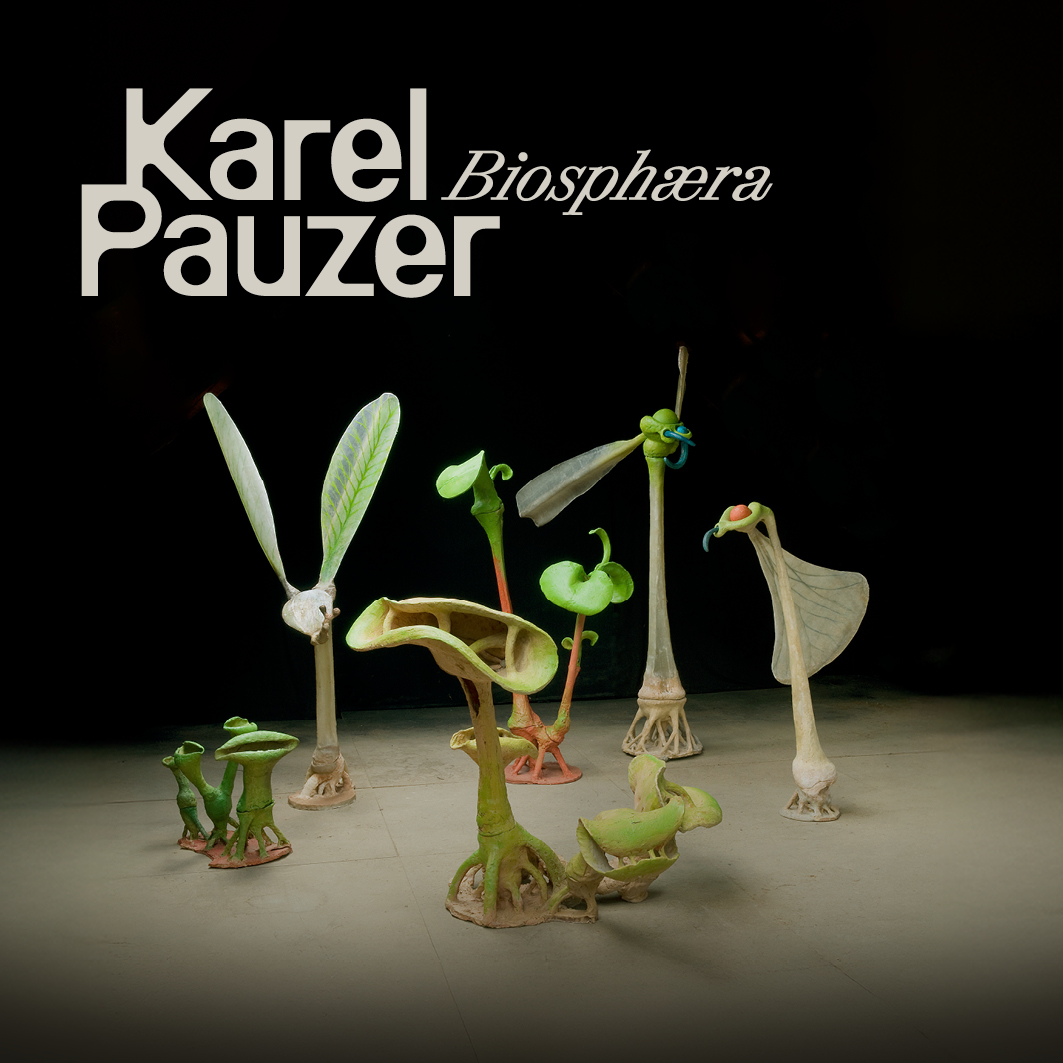
[vc_row content_text_aligment="" use_row_as_full_screen_section="no"][vc_column][vc_custom_heading text="8. 11. 2025 – 11. 1. 2026" font_container="tag:h3|text_align:left" use_theme_fonts="yes"][vc_custom_heading text="Karel Pauzer – Biosphaera" use_theme_fonts="yes"][/vc_column][/vc_row][vc_row content_text_aligment="" use_row_as_full_screen_section="no"][vc_column][vc_column_text]The sculptor Karel Pauzer replaced the human being at the center of attention with creatures of the biosphere — fauna and flora. His creations speak about people in an epic, metaphorical, naturalistic, and expressive way. He works with a material that is entirely natural for sculpture yet somewhat overlooked — fired clay. He polychromes the surfaces of his sculptures using painting techniques. In the 1960s, he focused on reliefs of minimalist shapes containing meta-records of his life events, somewhat reminiscent of enigmatic ancient clay tablets. The sculptor’s most characteristic creatures are individuals, pairs, and families of canines. The anatomy of their mutual relationships resembles human interactions — here too, it is about maternal care or the struggle for dominance. Are these families held together by love or by a sense of security? What preceded the scene of three beasts intertwined in mutual aggression? And what will follow? He assembles his figures so skillfully that the seams are invisible. His original way of connecting forms evolved in the 1980s into new organisms — so-called arthropods. The themes of plants and insects began to prevail, featuring colored surfaces and translucent laminated wings. The lofty vertical forms resemble dragonflies and the grimacing little animal mouths of green vegetation. His drawings were created during the same periods as his sculptures but have their own distinct, highly abstract themes. They reach the elemental level of creation. His drawing cycle the Private Genesis arises from long-term observation of natural growth, blossoming, and decay. The artist calls his work a willful natural history. He has created a complex universe where the main role is played by what we observe in nature. Pauzer’s world is not evil, but it is certain that he

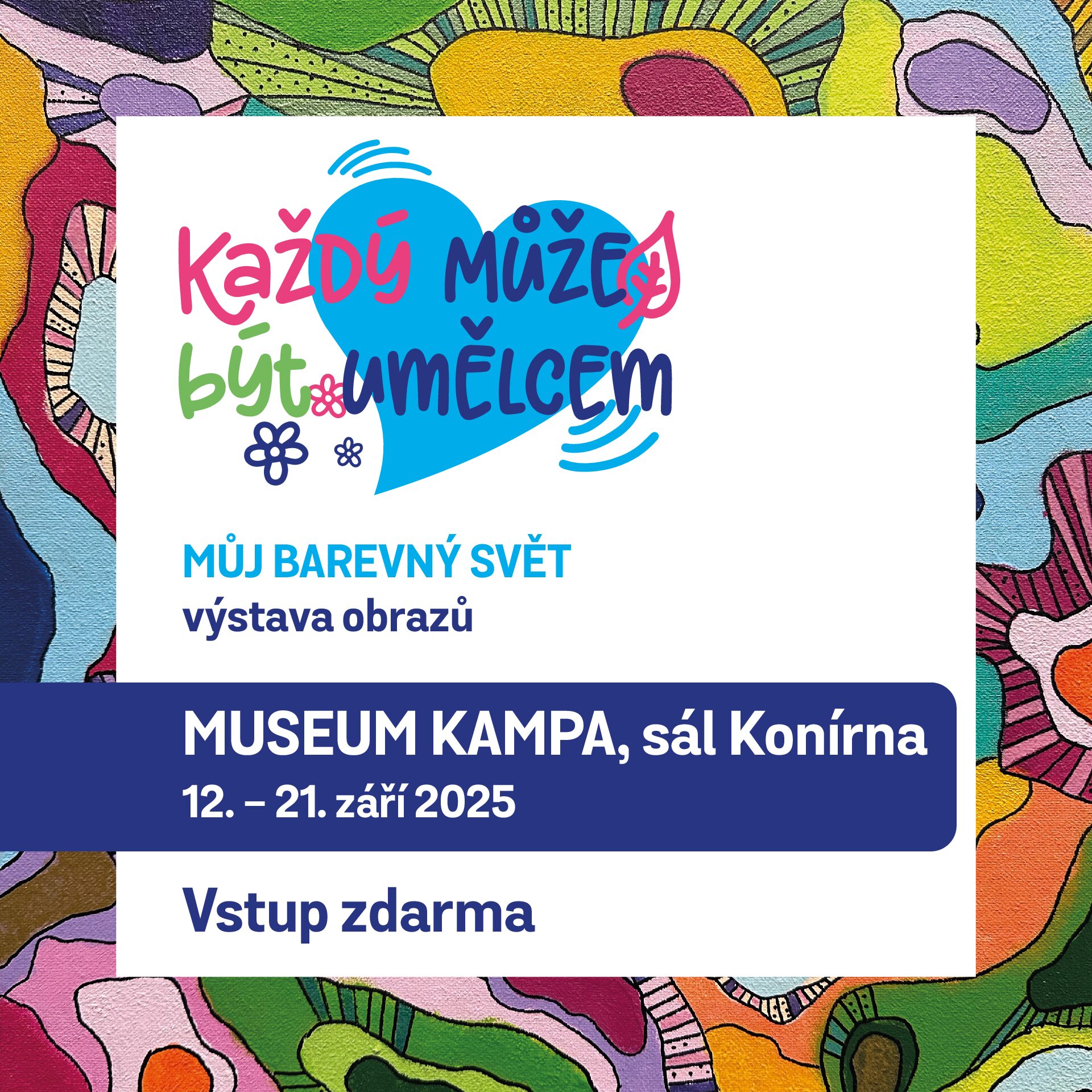
[vc_row content_text_aligment="" use_row_as_full_screen_section="no"][vc_column][vc_custom_heading text="September 12th – 21st 2025 " font_container="tag:h3|text_align:left" use_theme_fonts="yes"][vc_custom_heading text="EVERYONE CAN BE AN ARTIST" use_theme_fonts="yes"][vc_custom_heading text="Exhibition of paintings by people with mental disabilities" font_container="tag:h3|text_align:left" use_theme_fonts="yes"][vc_column_text]EVERYONE CAN BE AN ARTIST presents paintings created by people with intellectual disabilities. The aim of the project is to give visibility to their art and encourage them to keep creating. “Art is about different perspectives on the world. It allows us to see through the artist’s eyes, refreshing our own view and enriching our imagination. Each of these artists creates within their own world, and we are invited to step into it,” says Magdalena Westman, art therapist and member of the expert jury. This is a unique project that brings together people with intellectual disabilities from across the Czech Republic, and with participants from Slovakia it is now gaining an international dimension. This year, 244 artworks were submitted, and 197 of the most compelling will be exhibited. The artists represent a wide range of intellectual disabilities — the youngest participant is 5 years old and the oldest 81. Theme: MY COLORFUL WORLD   October 6, 2025, from 6:00 p.m. Charity online auction of paintings on the platform Livebid.cz For the fourth year in a row, selected works from the exhibition will be available for purchase in an online auction. The full auction price of each painting goes directly to its creator. By purchasing a painting, you support the artist and inspire them to continue their work. You can already browse 213 artworks in the Livebid.cz auction catalog. The deadline for submitting auction limits is October 6, 2025, at 6:00 p.m. Starting bids begin at just CZK 100. We would like to thank everyone who supports us: The project is held under the patronage of the First Lady of the Czech Republic, Eva Pavlová, the Ministry of Culture of the Czech Republic, the City of Prague, and the

[vc_row content_text_aligment="" use_row_as_full_screen_section="no"][vc_column][vc_custom_heading text="27 September – 26 October 2025 " font_container="tag:h3|text_align:left" use_theme_fonts="yes"][vc_custom_heading text="cityLOVE " use_theme_fonts="yes"][vc_custom_heading text="Give the city your attention, it will give you love in return! " font_container="tag:h3|text_align:left" use_theme_fonts="yes"][/vc_column][/vc_row][vc_row content_text_aligment="" use_row_as_full_screen_section="no"][vc_column][vc_column_text]cityLOVE is a long-term project by Czech photographers Jana Jabůrková and Jiří Turek. The first photos in the series were taken more than 20 years ago. At the exhibition, however, you will only see a small selection of the entire series, which comprises over 600 images from around the world. The basis of all the photos is the atmosphere. It is not important for the photo to be sharp or descriptive. The aim is to capture the disappearing genius loci of cities, so that viewers can experience the unique atmosphere of the place, similar to what the photographers felt when taking the picture.  The authors capture plotlines, sequences of events and everyday stories. The final version’ form will result from the moods and impressions associated with the photo shoot’s progress. Large-format photos with a high-gloss finish are produced using ResinArt technology, whereby a photograph is glued to an aluminum plate and then hand-poured with resin. Some of the exhibited photographs are printed on an archival photographic canvas and also glued to a Dibond aluminum plate. “Do you know that feeling when you’re flying back home, and just before landing, you realise that your city is the best in the world? You experience it just a few kilometers above the ground, and it’s a special moment. Jana and I try to capture that feeling everywhere we are. The only difference is that our feet are on the ground,” explains Jiří.    “We are observers, visitors and random passers-by. We are not artificially looking for the right moment, it will find us on its own. You either feel it or you don't. If you give the city your attention,

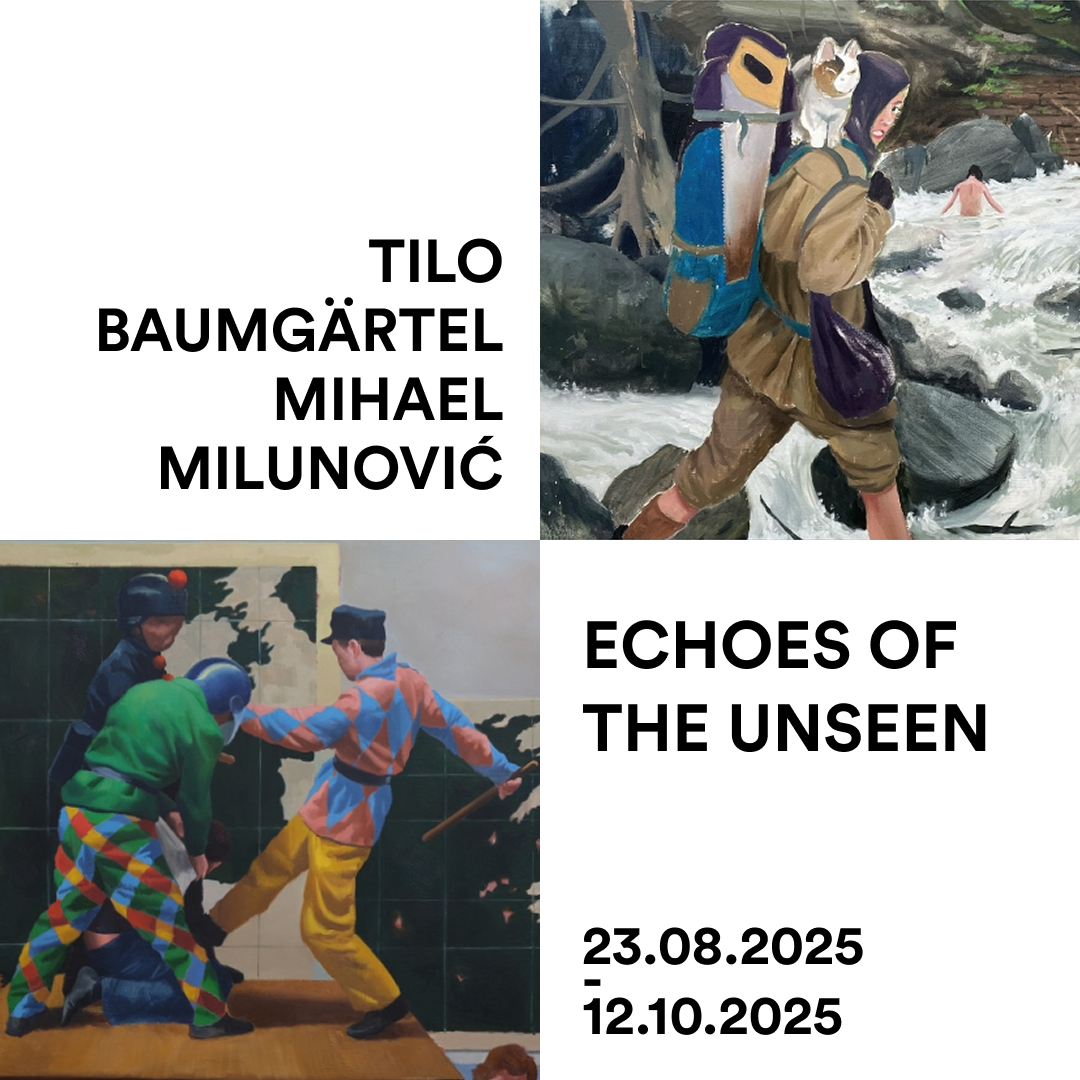
[vc_row content_text_aligment="" use_row_as_full_screen_section="no"][vc_column][vc_custom_heading text="Tilo Baumgärtel, Mihael Milunović" font_container="tag:h3|text_align:left" use_theme_fonts="yes"][vc_custom_heading text="Echoes of the Unseen" use_theme_fonts="yes"][/vc_column][/vc_row][vc_row content_text_aligment="" use_row_as_full_screen_section="no"][vc_column][vc_column_text]The joint exhibition of two generationally kindred artists – Tilo Baumgärtel (1972), based in Leipzig, and Mihael Milunović (1967), who moves between Paris and Belgrade – brings together two distinct painterly worlds rich in layered visual narratives and distinctive dramaturgical strategies, set within realms of distorted reality. Both artists work with nonlinear storylines, capturing ephemeral, simultaneously static and dynamic moments infused with absurd and surreal imagery, dreamlike visions, or fragments of memory – or what might pass as such. They create a sense of a daunting reality that is governed by its own rules and logic. Their painterly compositions present compelling situations situated within believable interior and exterior settings, intensifying the impression of a world slightly off-kilter. Natural elements play a significant role here, adding symbolic dimension and emotional intensity to the scenes. The staged scenes draw on theatrical practices, cinematic strategies or the collage-like assemblies of micro-narratives into complex pictorial spaces where timelines, perspectives, and layers of meanings intertwine.  Echoes of the Unseen offers a glimpse into the current state of European figurative painting while opening up a space for active reflection, intuitive interpretation, and evaluation of what is depicted. Michal Stolárik Curator of the exhibition[/vc_column_text][/vc_column][/vc_row]

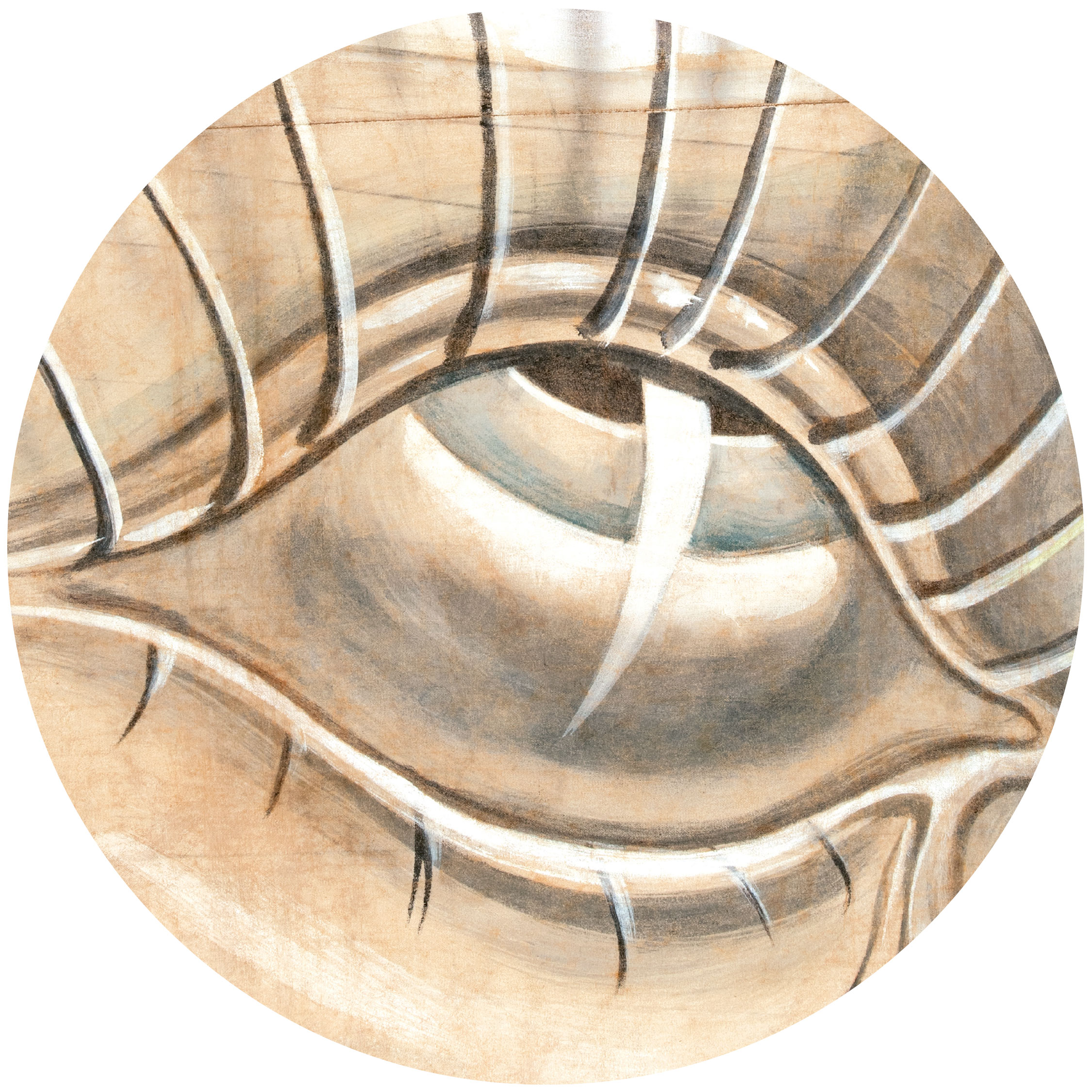
[vc_row content_text_aligment="" use_row_as_full_screen_section="no"][vc_column][vc_custom_heading text="28/6 – 12/10" font_container="tag:h3|text_align:left" use_theme_fonts="yes"][vc_custom_heading text="The Eye in Art 1900-2025" use_theme_fonts="yes"][/vc_column][/vc_row][vc_row content_text_aligment="" use_row_as_full_screen_section="no"][vc_column][vc_column_text]Seeing is a miracle. To see is to know; we equate the eye with knowledge. We say, for example: What the eyes don't see, the heart doesn't grieve over. The eye appears to be a gateway through which the outside world penetrates us. The eye is an important channel of communication, a window to the soul, a portal to the imagination. The eye takes on the symbolism of a guardian, of control. We, the inhabitants of a world of surveillance, watched every second of our lives, on our way to work, in shops, and through our own electronic devices, know this well.  Artists perceive the eye as a door, a kind of mirror, a motif of transition to other dimensions. We have long been aware of the all-seeing eye of the lens, we like to call cinemas OKO (eye) and understand them as a tunnel into the world. There is no escaping the eye. In paintings, objects, videos, and works on paper, you will see treasures from the museum's collections, supplemented by loans from institutions, private collectors, and authors.  These include František Kupka, Salvador Dalí, Man Ray, Andy Warhol, André Derain, Jan Zrzavý, Toyen, František Muzika, Mikuláš Medek, Květa Válová, Dalibor Chatrný, Adriena Šimotová, Karel Pauzer, Karel Nepraš, Milan Knížák, Milan Kunc, Jiří David, Jaroslav Róna, Patricie Fexová, Milan Cais, Josef Bolf, Krištof Kintera, Masker, Jaroslav Vožniak, Pavel Nešleha, Milan Cais, Václav Chochola, Jindřich Štyrský, Václav Zykmund, Václav Tikal, Jaromír Funke, Emila Medková, Josef Dumek, Alén Diviš, Ondřej Navrátil, Lukáš Rittstein, Jan Adamec, Diana Winklerová, Jan Hísek, Luboš Plný, Rudolf Adámek, Anežka Hošková, Jiří Černický, Björn Steinz, Matyáš Maláč, Miloš Ševčík, Naďa Plíšková, Zdenka Hušková, Vladimír Houdek, Nik Timková, Jan Konůpek, Radka Bodzewicz, Yvonne Vácha, Marie Lukáčová,